Sudden Cardiac Arrest (SCA) is one of the leading causes of death in New Zealand, affecting over 1,500 Kiwis every year. Immediate response is crucial—without timely intervention, survival rates drop drastically with each passing minute. Automated External Defibrillators (AEDs) are life-saving devices that can drastically improve the chances of survival by delivering a controlled electric shock to restore normal heart rhythm.
What is an AED?
An AED (Automated External Defibrillator) is a portable device designed to diagnose and treat life-threatening cardiac arrhythmias. It is easy to use, with clear, step-by-step voice instructions, making it accessible even for those with no medical training. When someone experiences sudden cardiac arrest, an AED can be the difference between life and death.
Why Should Every Home and Workplace in New Zealand Have an AED?
Rapid Response Saves Lives
In cases of SCA, time is everything. For every minute that passes without defibrillation, the chance of survival decreases by about 10%. Having an AED on hand allows you to respond quickly, before emergency services arrive.
AEDs Are Easy to Use
Modern AEDs are equipped with voice prompts, making them simple to operate even for non-medical personnel. The device guides you through every step, from attaching the pads to delivering the shock.
They Are More Affordable Than You Think
The cost of an AED is a small price to pay compared to the value of a life. Our range of AEDs includes budget-friendly options, ensuring every household and workplace in New Zealand can have access to these essential devices.
Legal Protection for AED Users
In New Zealand, the Good Samaritan law protects individuals who use AEDs in emergencies, meaning you cannot be prosecuted for acting in good faith.
AEDs in Workplaces Save Lives and Boost Safety Compliance
Having an AED on-site demonstrates a strong commitment to health and safety, reducing risks in environments where heart-related incidents could occur. It’s an investment that not only saves lives but may also enhance workplace safety compliance.
When Should You Use an AED?
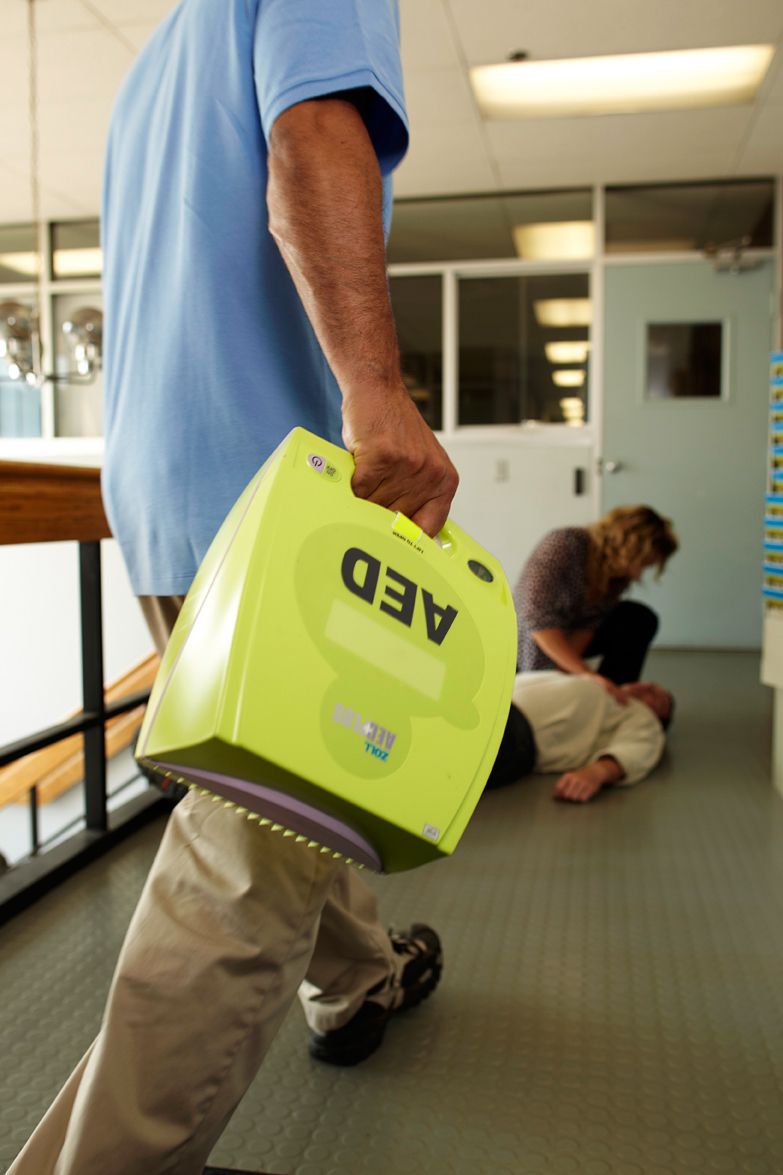
An AED should be used when someone suddenly collapses, is unresponsive, and is not breathing normally. In such cases, every second counts, and using an AED as soon as possible dramatically increases the victim’s chance of survival.
FAQs About AEDs in New Zealand
Can anyone use an AED?
Yes, AEDs are designed for use by the general public, with straightforward audio and visual instructions to guide you through the process.
How do I maintain an AED?
Most AEDs perform regular self-checks and will alert you when maintenance is needed. Regularly check your AED’s battery and pad expiration dates to ensure it’s always ready for use.
Do I need training to use an AED?
While formal training can boost confidence, AEDs are designed to be used by anyone, regardless of training. However, taking a first aid course that includes AED use can help you respond more effectively in an emergency.
Where should I store my AED?
AEDs should be stored in easily accessible locations, both in homes and workplaces. It’s essential that everyone knows where the device is located and how to use it.
Ready to Protect Your Loved Ones or Employees?
At AED NZ, we offer a wide range of AEDs to suit your needs, whether it’s for personal use, workplace safety, or public spaces. We are committed to making defibrillators more accessible across New Zealand, ensuring that every Kiwi has the tools to save a life.
Visit our online store at www.aednz.co.nz to find the right AED for your home or workplace, and protect the people who matter most.
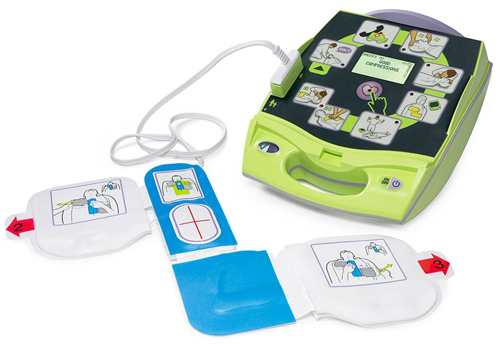
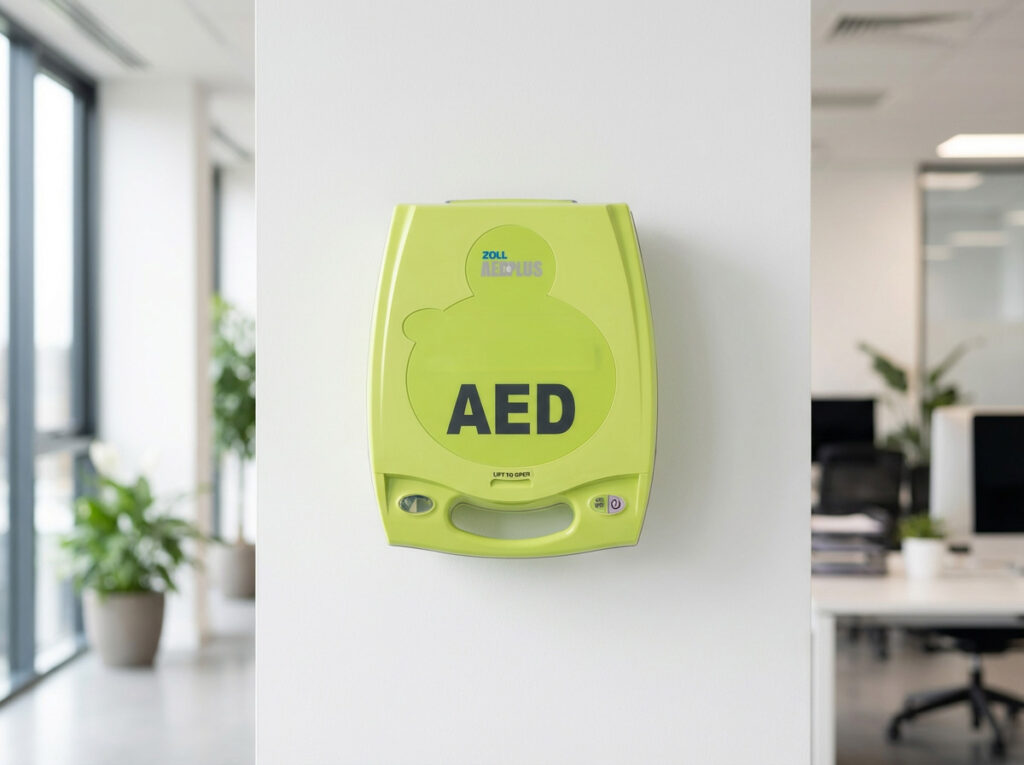
We recommend the ZOLL AED Plus Defibrillator
-
Compliant with New Zealand Resuscitation Council Guidelines
-
FDA Approved
-
ECG monitoring capability built into every device
-
Lowest cost of ownership
-
No yearly servicing plans or ongoing maintenance required
-
5 Year battery & pad life
-
7 Year Warranty
-
IP55 Rated
-
Made in USA