
Automated External Defibrillators (AEDs) are designed to make lifesaving intervention accessible to anyone.
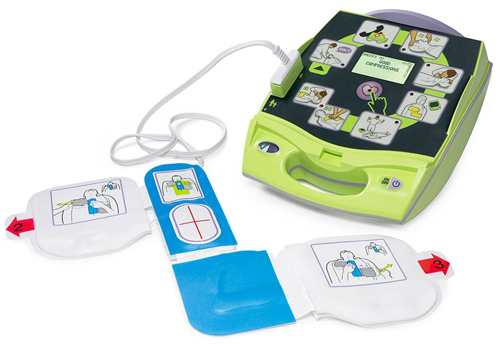
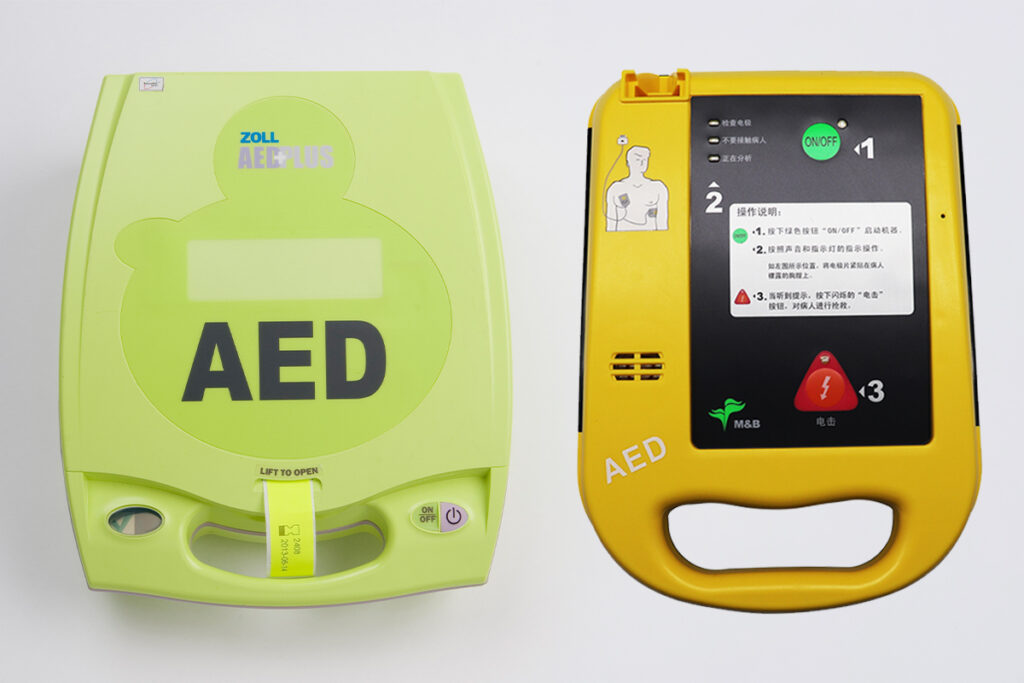
The ZOLL AED Plus is one of New Zealand’s most trusted devices because it is simple to use, highly reliable and provides real-time CPR coaching. It also comes in two configurations: semi-automatic and fully automatic. Both options are safe, effective and capable of analysing a patient’s heart rhythm to determine whether a shock is required. The difference lies in how the shock is delivered and how much control the rescuer has.
This article explores how each mode works and why, in almost all situations, a semi-automatic AED is the preferred choice.
Understanding How AEDs Decide to Deliver a Shock
Before comparing the two models, it is important to clarify a key safety point.
Both the semi-automatic and fully automatic ZOLL AED Plus devices will only deliver a shock if the patient has a shockable heart rhythm.
The rescuer cannot force the device to give a shock, nor can they harm a patient by pressing a button at the wrong time. The AED performs its own analysis and will only proceed if a shock is medically appropriate. This means both options are inherently safe, even for untrained or first-time rescuers.
How a Semi-Automatic AED Works
A semi-automatic AED provides the rescuer with the final decision point. After the device analyses the heart rhythm and determines that a shock is needed, it will prompt the rescuer to press the shock button. The device will not proceed until that button is pressed.
Key benefits
- Full control over timing
The rescuer can visually check that no one is touching the patient before pressing the button. This reduces the risk of a bystander receiving a shock. - Allows quick situational awareness
During emergency responses, multiple people may be assisting. A deliberate button press ensures everyone is clear before the shock is applied. - Ideal for workplaces and public settings
Most organisations prefer semi-automatic AEDs because they align with common first-aid training principles and reduce the chance of accidental contact.
For these reasons, we recommend the semi-automatic ZOLL AED Plus in almost all cases.
How a Fully Automatic AED Works
The fully automatic ZOLL AED Plus removes the need to press a shock button. If the device detects a shockable rhythm, it will announce a clear countdown and then automatically deliver the shock.
How the process works
- The device analyses the rhythm.
- If a shock is required, it announces “Shock advised” and begins a countdown.
- At the end of the countdown, the AED delivers the shock automatically.
Considerations
- Risk of accidental contact
If someone still has their hands on the patient during the countdown or is slow to move away, they may receive residual energy from the shock. This does not occur often, but the risk is slightly higher than with semi-automatic models where the rescuer chooses the exact moment to shock. - Useful in solo-rescuer environments
Fully automatic devices can be helpful if only one rescuer is present and needs to focus entirely on CPR and pad placement.
Although the fully automatic device is still safe and easy to use, its automatic shock delivery means the rescuer has less control over ensuring a completely clear environment.
Why We Recommend the Semi-Automatic ZOLL AED Plus
For most workplaces, sports clubs and community settings, the semi-automatic model provides the ideal balance of safety, control and confidence.
Our recommendation is based on three key reasons:
- Greater control means safer operation
The rescuer chooses the exact moment the shock is delivered. This reduces the chance of someone touching the patient at the critical moment. - No risk of premature or unexpected shocks
Even though fully automatic devices give a countdown, the semi-automatic option avoids surprises and supports better coordination among everyone assisting. - Matches most first-aid training
Training providers in New Zealand predominantly teach semi-automatic AED use. Having a device that aligns with training builds confidence and helps rescuers act quickly.
Whichever option is chosen, the ZOLL AED Plus remains one of the safest and most reliable units available. Both versions perform the same advanced heart rhythm analysis, both deliver a shock only when appropriate and both guide the rescuer through CPR with ZOLL’s proven Real CPR Help technology.
We Recommend the ZOLL AED Plus Defibrillator
- Compliant with New Zealand Resuscitation Council Guidelines
- FDA Approved
- ECG monitoring capability built into every device
- Lowest cost of ownership
- No yearly servicing plans or costly ongoing maintenance required
- 5 Year battery & pad life
- 7 Year Warranty
- IP55 Rated
- Made in USA