Many potential rescuers hesitate to intervene during an emergency because they fear legal consequences and are suprised to learn Australian and New Zealand law protects people who assist others in good faith.
Knowing your rights and obligations as a Good Samaritan can give you the confidence to act quickly when someone’s heart stops.
What Is a Good Samaritan?
The Australian and New Zealand Committee on Resuscitation (ANZCOR) defines a Good Samaritan as a person who, in good faith and without expectation of payment, comes to the aid of another in an emergency.
The organisation urges members of the public, including volunteers and off‑duty healthcare professionals, to provide assistance after considering their own safety. In general, a Good Samaritan has no legal obligation to help but is encouraged to do so because any attempt at resuscitation is better than none.
Legal Protections and Duty to Rescue
Fear of litigation should not deter action. Australian and New Zealand law protects Good Samaritans who act in good faith and without recklessness.
While Australian jurisdictions have enacted statutes that provide immunity from civil liability, New Zealand does not have explicit Good Samaritan legislation. Instead, there is a statutory duty to render assistance to another person. The term “actual care” is not defined in the legislation, but the expectation is that a rescuer provides reasonable assistance within the limits of their training.
Duty of Care and Acting Within Training
Once a person decides to help, they owe a duty of care proportional to their skills. Health professionals and trained volunteers are held to a higher standard than untrained bystanders. However, even professionals are not required to provide the highest level of care; they must perform tasks to the standard of a reasonably competent person with their training.
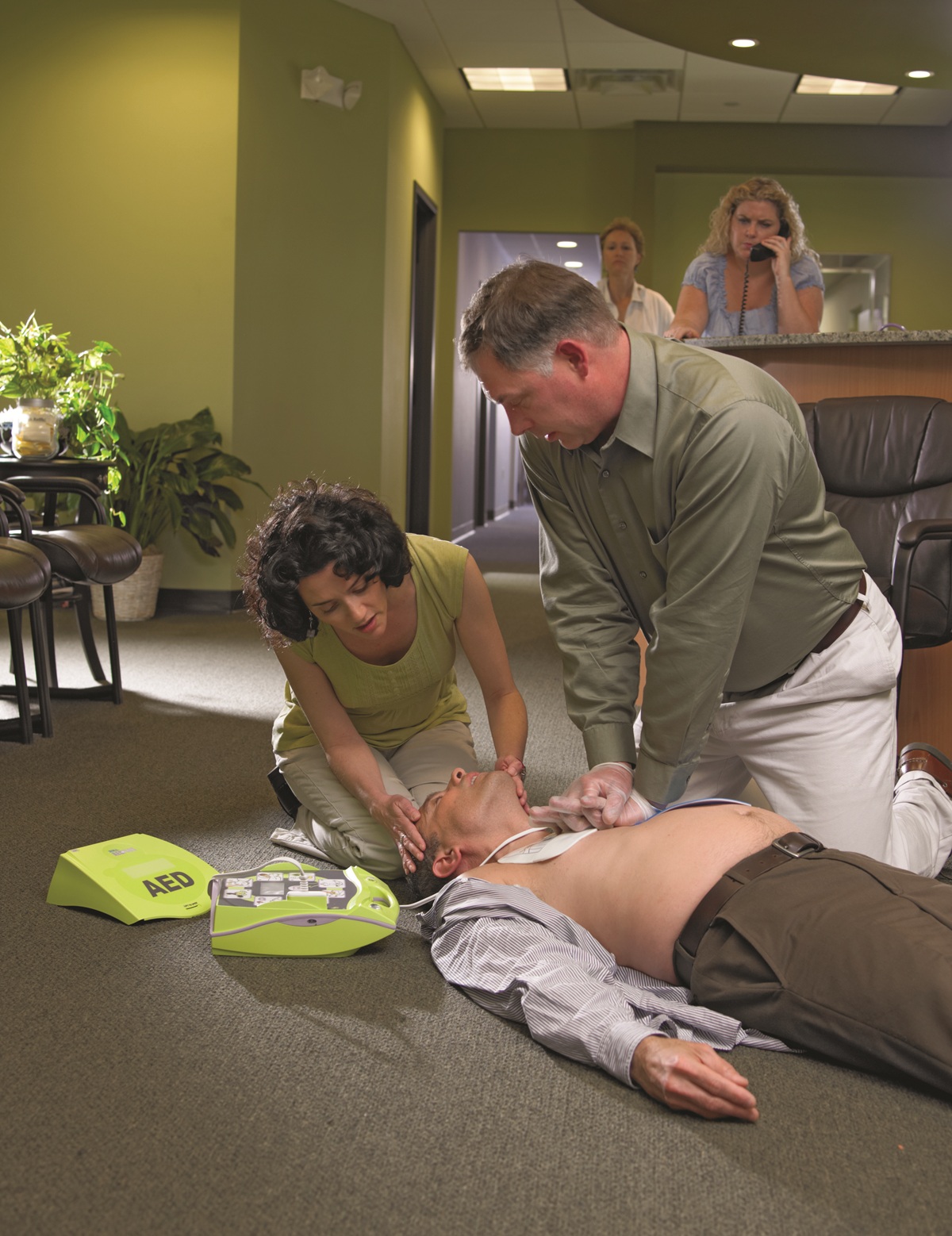
For lay rescuers (people without formal health professional training), the standard is lower – call 111, start CPR and apply an AED if available. In short, the law wants to encourage help, not hinder it.
Summary
Good Samaritan principles reassure rescuers that they can help without fear of being sued. Acting in good faith, staying within the scope of your training and avoiding reckless behaviour keeps you within the law. In New Zealand, there is also a duty to render assistance, so offering help is not only safe but expected. Understanding these protections empowers bystanders to become lifesavers.
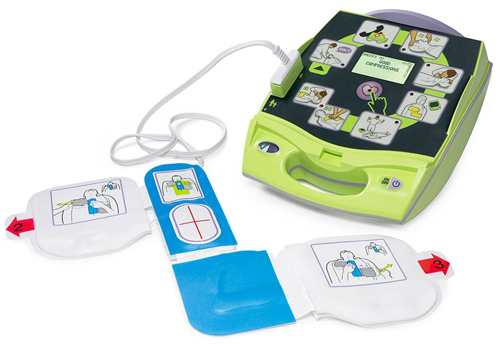
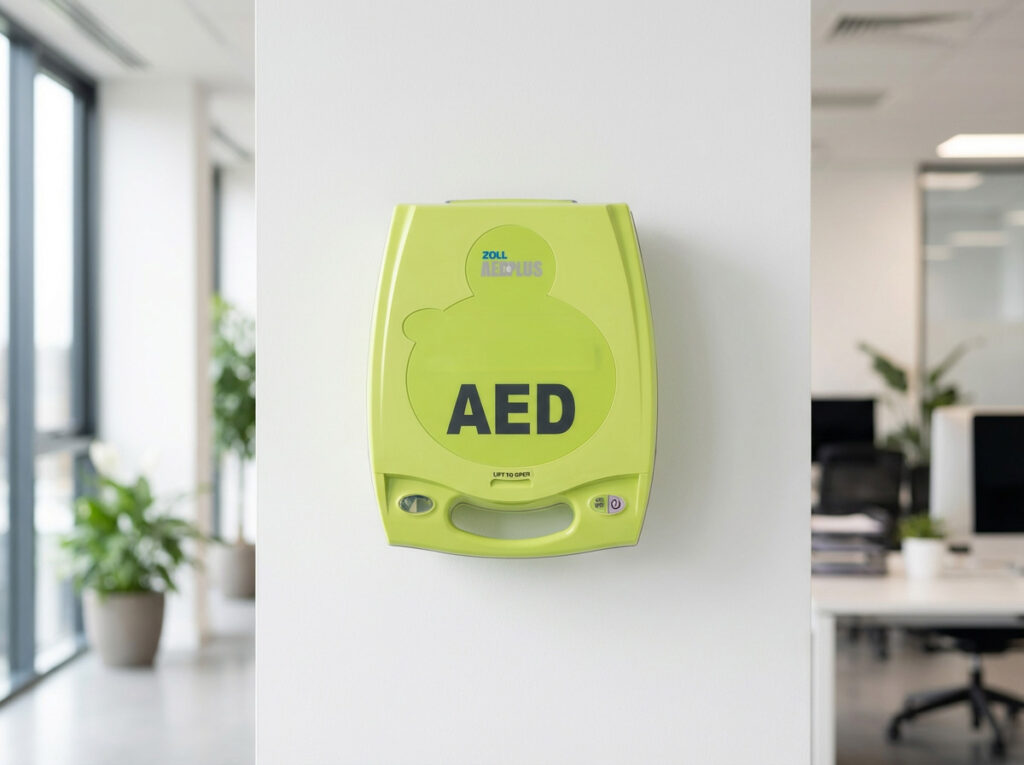
We Recommend the ZOLL AED Plus Defibrillator
- Compliant with New Zealand Resuscitation Council Guidelines
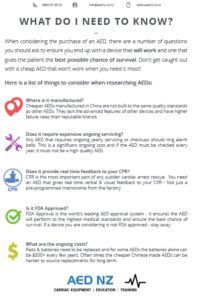
- FDA Approved
- ECG monitoring capability built into every device
- Lowest cost of ownership
- No yearly servicing plans or costly ongoing maintenance required
- 5 Year battery & pad life
- 7 Year Warranty
- IP55 Rated
- Made in USA