Regular maintenance is essential to ensure an AED will work when it’s needed. Fortunately, AEDs require relatively low upkeep, but failure to maintain them can lead to a device malfunction at a critical moment.
Follow Manufacturer Guidelines:
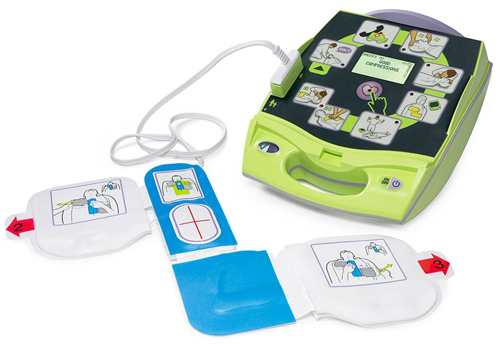
Always adhere to the maintenance schedule and procedures outlined in your AED’s user manual. This typically includes periodic self-tests, battery checks, and pad replacement cycles specific to your model. High quality AEDs like the ZOLL AED Plus perform automatic self-diagnostics daily or weekly and will signal if something is amiss.
Tip: Check the AED’s status indicator light regularly – a green tick means “ready,” whereas a flashing red X or audible chirp indicates attention is needed.
Battery Care and Replacement:
AED batteries have a finite lifespan (often 3–5 years in modern units) and will eventually expire or lose charge. Most devices will alert you when the battery is low. In New Zealand’s climate, extreme cold is rarely an issue, but cold and heat can shorten battery life, so store the AED in a stable environment. Replace the battery by the expiry date, or immediately after any use if the device indicates it was partially depleted.
Tip: Always have a replacement battery accessible or know how to quickly obtain one.
Electrode Pad Inspection and Replacement:
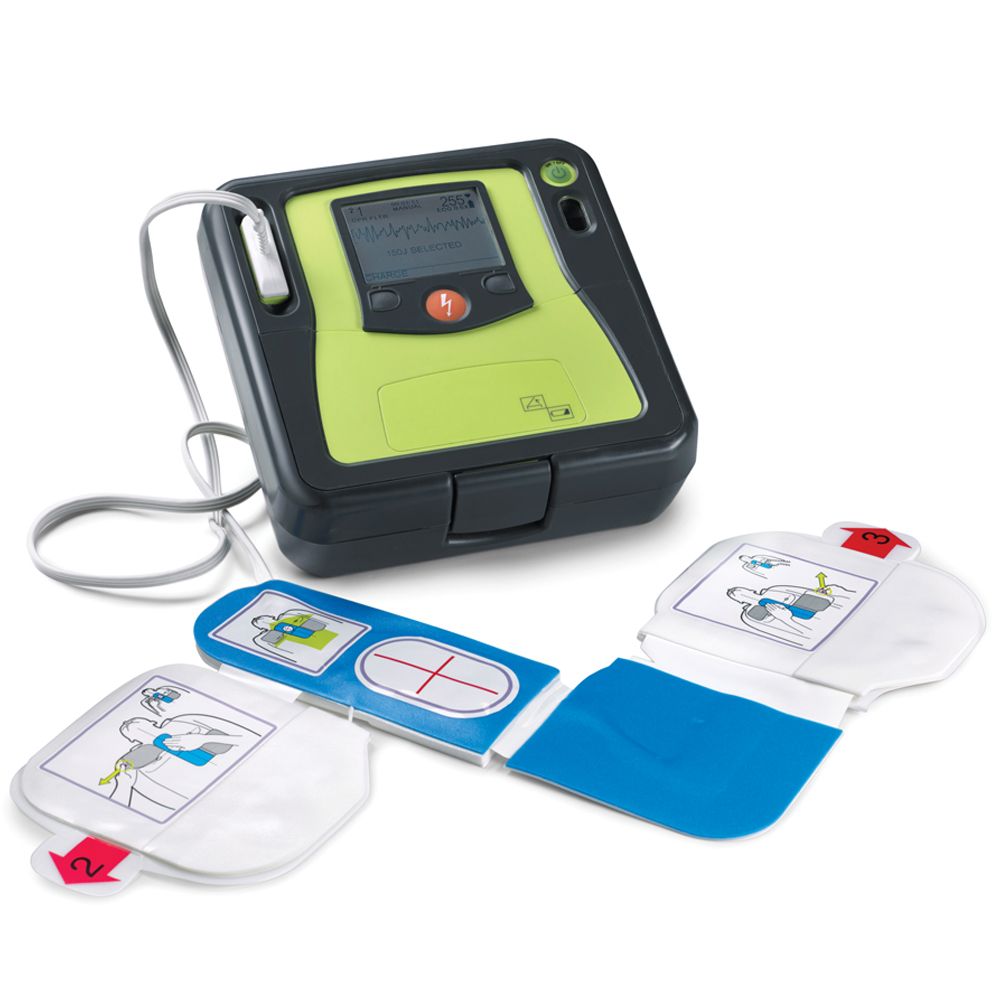
The sticky electrode pads that attach to the patient are single-use and also expire after a certain period in storage. Keep an eye on the expiration date printed on your pads. For ZOLL AEDs, typical pad life is 5 years unused. Replace pads promptly once they expire or immediately after the AED has been used in a rescue (even if they were only applied and not actually shocked, as pads cannot be re-used).
Tip: Store spares if possible, or sign up for reminder services so you never forget a replacement.
Visual and Functional Checks:
Include the AED in your routine safety inspections (for workplaces, this could be monthly or as part of your Health & Safety audit). Visually inspect the unit for any damage, cracks, or missing parts. Make sure the exterior case, buttons, cables, and connectors are intact. Open the lid (if applicable) to ensure no error lights come on and that no debris or foreign objects are inside the case. Confirm that any additional rescue kit items (like scissors, razor, gloves, breathing mask) stored with the AED are present and in good condition.
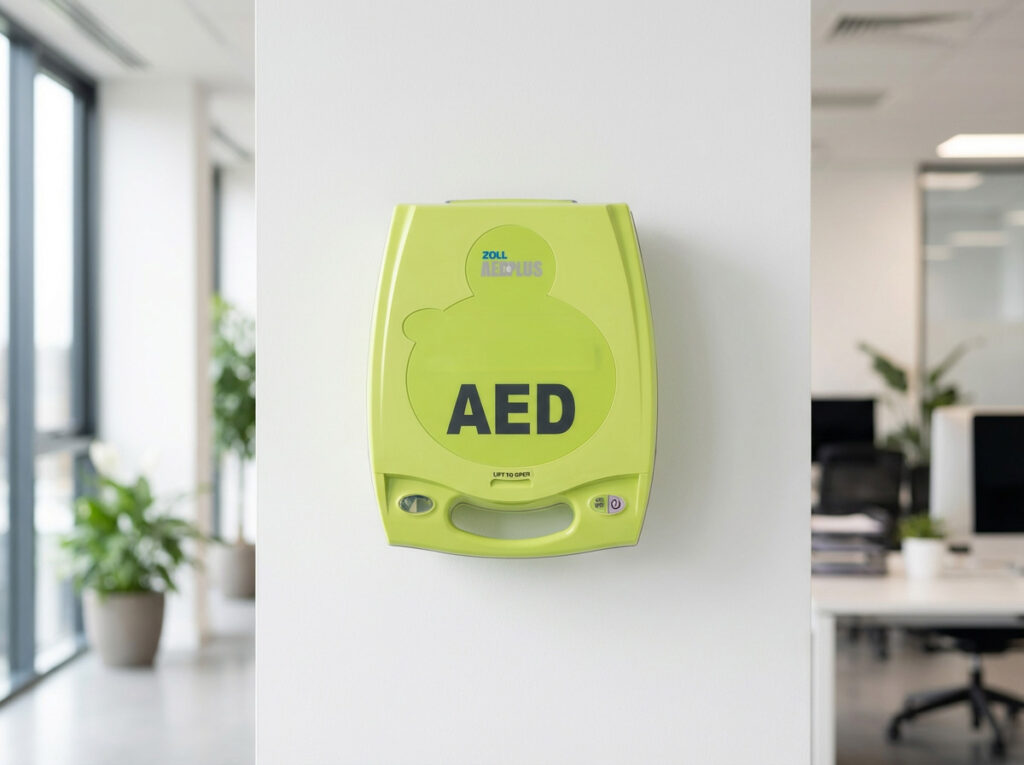
Tip: If your AED is stored in a cabinet or wall box, check that the cabinet is intact, easily accessible, and the door or lock functions smoothly.
Clean and Store Properly:
Keep the AED clean and dry. Wipe off dust or grime using a soft cloth; avoid harsh chemicals that could damage the device. Storage is important in the NZ context – ideally keep the AED in a protective cabinet or carry case to shield it from environmental damage. Ensure the location is not exposed to extreme temperatures or moisture. For example, don’t leave the defibrillator in direct sunlight (which can overheat it) or in a vehicle long-term if it will get very hot. Indoor, climate-controlled storage is best, but if your AED is outdoors (such as at a sports field or public location), use a weatherproof, cabinet designed for AEDs.
Tip: Proper storage extends the life of your pads and battery and keeps the device functional.
Annual Professional Check (if Required):
In general, if your AED’s self-test feature reports “ok” and consumables are up to date, additional servicing isn’t mandatory. But consider a professional check or live test after the 10 year ownership mark, especially if the device has been in a harsh environment or you want the confidence of a certified inspection.
By following these practices, you’ll fulfill any defibrillator compliance NZ expectations and, more importantly, ensure the AED will perform in an emergency.
We recommend the ZOLL AED Plus Defibrillator:
-
Compliant with New Zealand Resuscitation Council Guidelines
-
FDA Approved
-
ECG monitoring capability built into every device
-
Lowest cost of ownership
-
No yearly servicing plans or ongoing maintenance required
-
5 Year battery & pad life
-
7 Year Warranty
-
IP55 Rated
-
Made in USA