The Hidden Costs of Cheap AEDs: Why Quality Matters for Life-Saving Devices
A practical guide to hidden AED ownership costs, regulatory documentation, consumable supply, and why choosing a well-supported device matters when there is no second chance.
Why reliability matters in a cardiac arrest
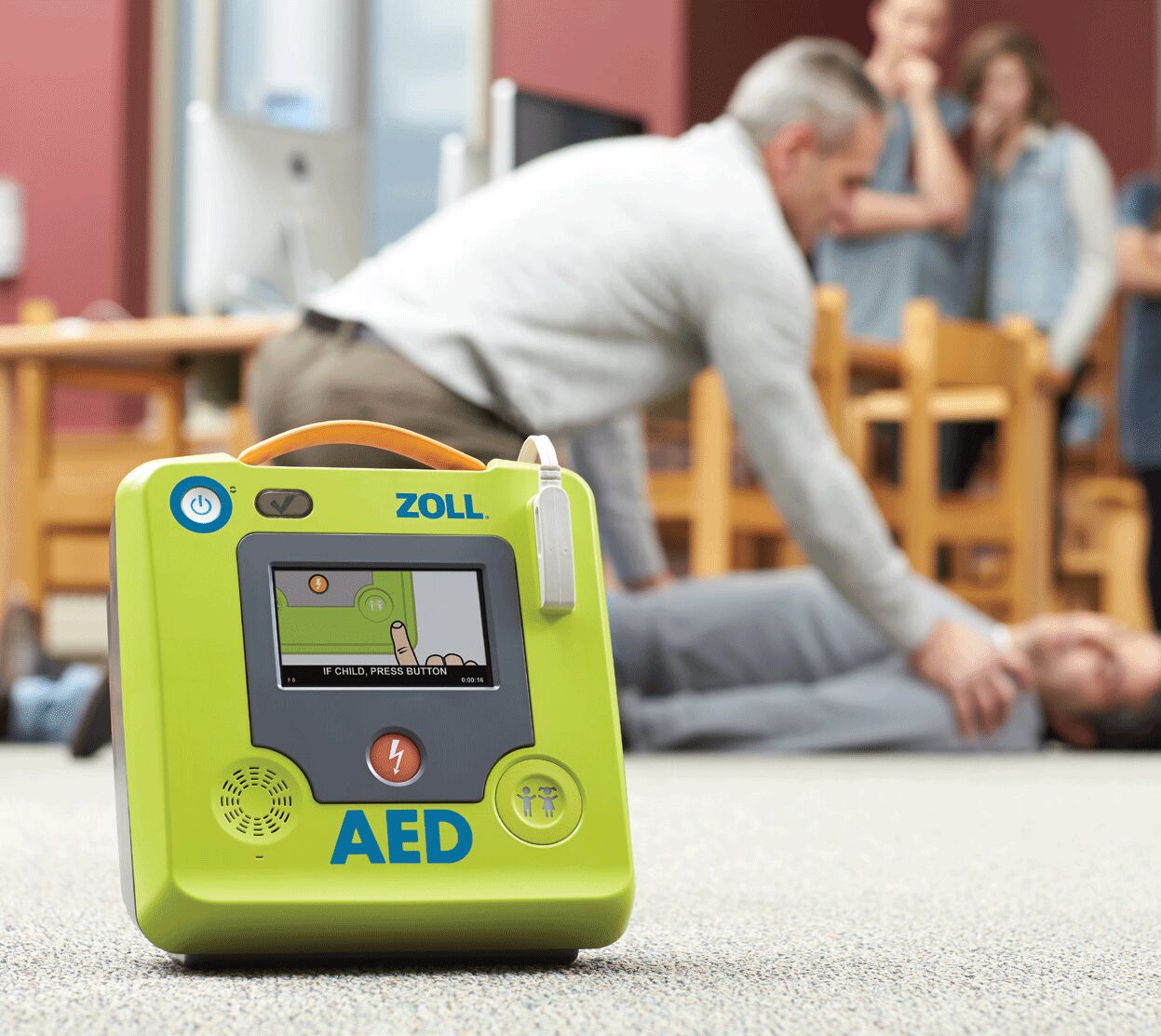
Sudden cardiac arrest (SCA) is a leading cause of death. Every minute that passes without defibrillation reduces the chances of survival by about 10 percent. In an emergency, there is no second chance, which makes the reliability of an automated external defibrillator (AED) critical.
Recalls and supply disruptions show the “hidden cost” problem
Large-scale recalls and consumable supply disruptions are a reminder that buying an AED is not just about the device on day one. It is also about long-term support, parts availability, and whether the AED can remain rescue-ready over its full life.
Cheap AEDs: what “cheap” often means in practice
Buying a low-cost defibrillator can seem cost-effective upfront, but it is important to look closely at what you are actually getting for that lower price. In the NZ market, many lower-cost AED options are imported and may be manufactured in a range of countries, including China. That does not automatically make a device unsafe. However, the level of independently verified clinical validation, recognised regulatory documentation, and supplier support can vary significantly between brands and models.
The practical risks tend to fall into a few categories: limited published performance evidence, fewer rescuer-support features, shorter pad and battery life, and harder-to-source consumables when you need replacements quickly.
What to check before you buy
In New Zealand, buyers should look for clear evidence of compliance and testing. Many organisations also consider recognised international pathways such as FDA (where applicable) and/or Australia’s TGA listing as additional reassurance, alongside Medsafe requirements.
Comparing quality vs. low-cost AEDs
| Factor | Quality AED (e.g., ZOLL AED Plus) | Low-cost / less-validated AED |
|---|---|---|
| Regulatory documentation | Clear, recognised approvals and published documentation (e.g., FDA where applicable), plus transparent compliance information | May have fewer recognised approvals, less published validation, or documentation that is harder to verify (varies by model) |
| Pad & battery life | Long-life consumables, fewer replacements over time | Consumables may require replacement more frequently (often every 2–4 years) |
| Testing & published data | Documented testing and performance information | Testing standards and published performance data may be limited or not clearly available |
| Rescuer-support features | Real-time CPR feedback, clear voice/visual prompts | Often more basic prompts, may lack real-time feedback features |
| Long-term cost | Lower total cost of ownership due to long consumable life and minimal servicing requirements | Higher ongoing cost risk due to more frequent replacements and supply uncertainty |
| Availability of consumables | Consumables typically readily available with predictable supply | Replacement pads/batteries may be slower to source depending on supplier support |
Why quality matters
A defibrillator that cannot be relied upon, or an AED you cannot keep rescue-ready due to unavailable pads, is not just a poor purchase, it is a risk. Choosing a reputable brand with proven reliability and strong support helps ensure your AED is ready when needed.
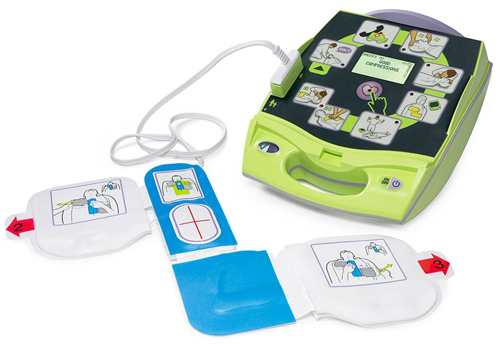
ZOLL’s pads and batteries have a five-year life cycle, which means fewer replacements and reduced maintenance. Their devices are built to withstand harsh environments, with ingress protection ratings such as IP55 to resist dust and moisture. ZOLL also includes advanced rescue support technology such as Real CPR Help to assist rescuers in delivering high-quality CPR.
Before purchasing an AED, consider the hidden costs of low-cost units: the level of validation may be harder to verify; replacement parts may be slower to obtain; and supply disruptions can leave you without a rescue-ready device. Investing in a quality AED with proven reliability and long-life consumables provides peace of mind and could make the difference between life and death.
The information above is intended as general guidance for buyers comparing AED features, support, and regulatory documentation, and is based on publicly available manufacturer and regulatory information.
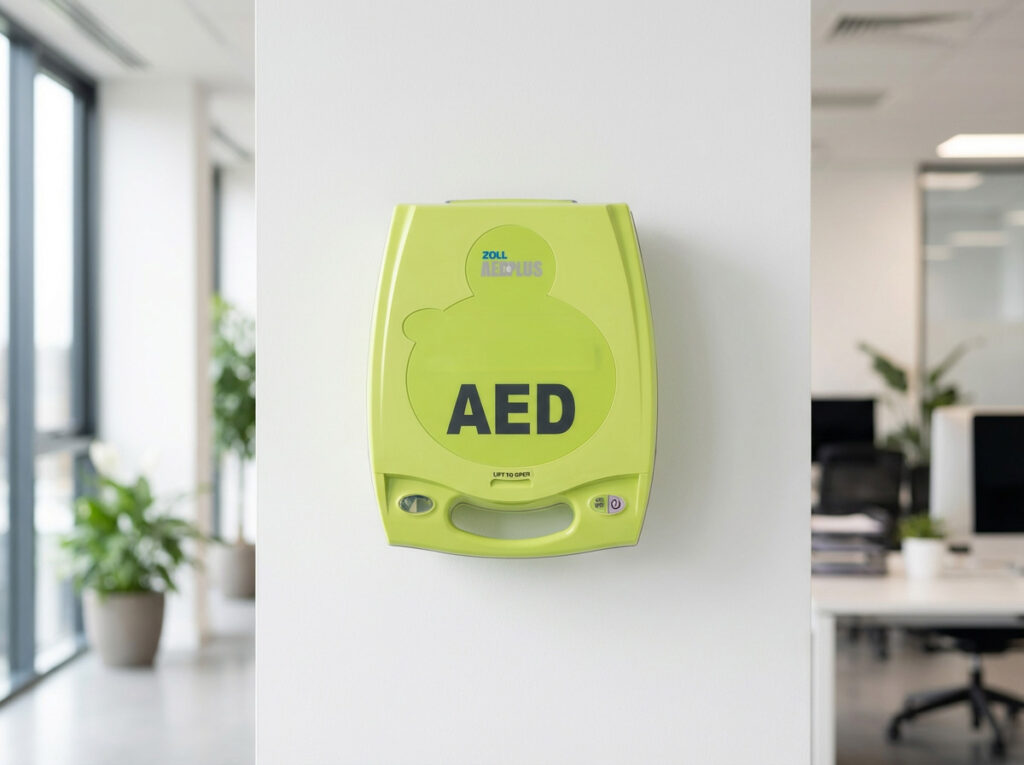
We Recommend the ZOLL AED Plus Defibrillator
- Compliant with New Zealand Resuscitation Council Guidelines
- FDA Approved
- ECG monitoring capability built into every device
- Lowest cost of ownership
- No yearly servicing plans or costly ongoing maintenance required
- 5 Year battery & pad life
- 7 Year Warranty
- IP55 Rated
- Made in USA